

Here are your April community updates:
- Upcoming Events
- Funding Opportunities
- Employment Opportunities / Fellowships
- Awards / Recognition
- Research
- Travel, Safety, and Security Updates
- Global Health Community Highlights
- MGH Global Health Community Meeting
- Opportunities to Engage
If you have an item to include in a future newsletter, let us know! Please write to us at cghadmin@mgh.harvard.edu.
Upcoming Events
2026 Humanitarian/Disaster Response Field Training
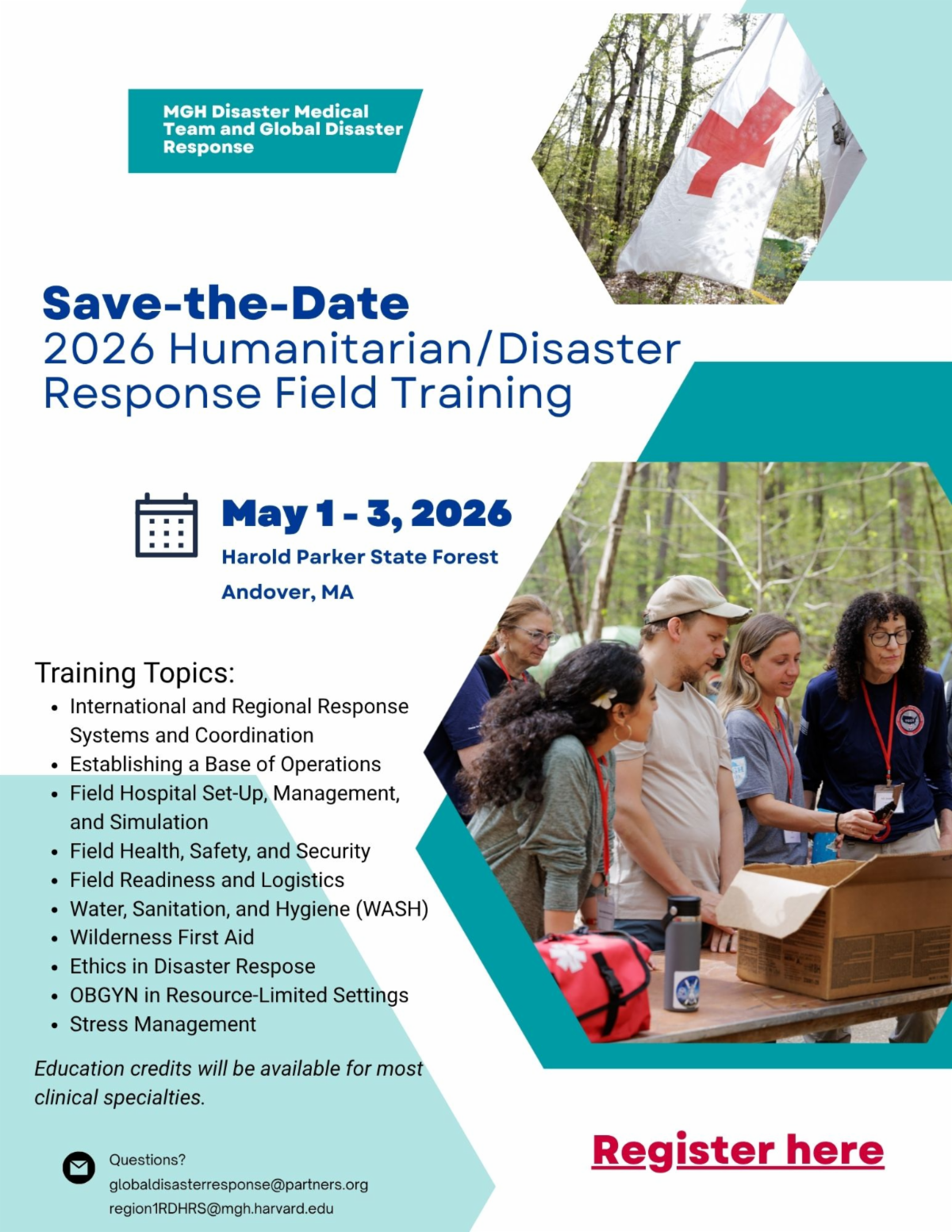
Friday – Sunday, May 1st-3rd, 2026 | In person at Harold Parker State Forest
Address: 133 Jenkins Rd, Andover, MA 01810
The MGH Center for Global Health Disaster Medical Team will host its annual Humanitarian and Disaster Response Field Training from May 1–3, 2026, at Harold Parker State Forest in Andover, MA.
This immersive, hands-on training is designed to equip participants with practical skills and interdisciplinary knowledge for effective response in resource-limited and disaster settings.
Training topics include:
- International and regional disaster response systems and coordination
- Establishing and managing a field base of operations
- Field hospital setup, management, and simulation exercises
- Health, safety, and security in field environments
- Field readiness, logistics, and supply chain coordination
- Water, sanitation, and hygiene (WASH)
- Wilderness first aid
- Ethics in disaster response
- OBGYN care in resource-limited settings
- Stress management and resilience in crisis contexts
Harvard Global Health Institute – 2026 Global Health Symposium Plenary Spotlight
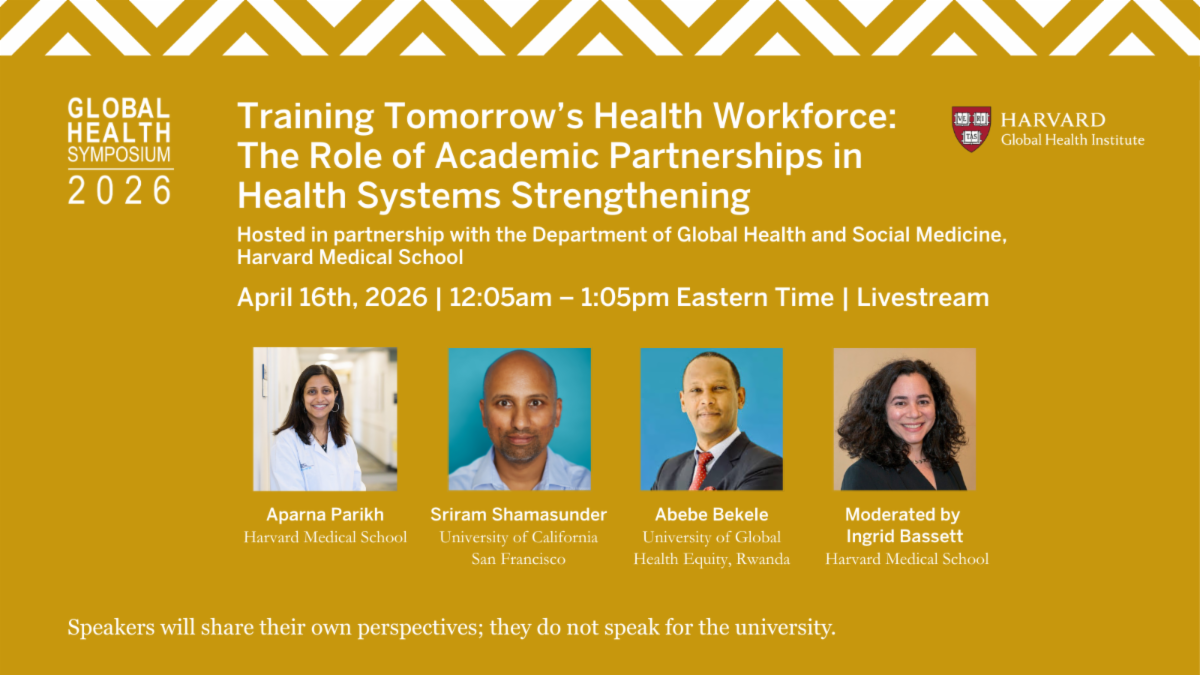
Thursday, April 16th, 2026 | 12:05pm – 1:05pm ET| Livestream
Training Tomorrow’s Health Workforce: The Role of Academic Partnerships in Health Systems Strengthening
Hosted in partnership with the Department of Global Health and Social Medicine at Harvard Medical School, this plenary will examine how collaborative training models, cross-institutional partnerships, and context-responsive education are helping to expand and sustain the health workforce, particularly in low-resource and underserved settings.
Speakers:
- Introduced by Joseph Rhatigan, MD, Associate Professor of Medicine, Paul Farmer Chair in Global Health, Brigham and Women’s Hospital; Associate Professor, Harvard T.H. Chan School of Public Health and Harvard Medical School
- Aparna Parikh, MD, Associate Professor of Medicine, Harvard Medical School; Gastrointestinal Oncologist, MGH Cancer Center; Director, Global Cancer Care Program, Massachusetts General Hospital; Program Director, GI Oncology, Mass General Brigham Cancer Institute
- Sriram Shamasunder, MD, DTM&H, Professor of Medicine, University of California San Francisco (UCSF); Co-Founder and Faculty Director, HEAL Initiative
- Abebe Bekele, MD, PhD, FCS (ECSA), FACS, FRCS (Ed), MAMSE, Deputy Vice Chancellor of Academic and Research Affairs, Founding Dean, School of Medicine, University of Global Health Equity, Rwanda
- Moderated by Ingrid Bassett, MD, MPH, Co-Director, Harvard Center for AIDS Research; Professor of Medicine, Harvard Medical School; Division of Infectious Diseases, Massachusetts General Hospital
Join HGHI at the symposium by registering below!
Funding Opportunities
- Scholarships for Clinical Education and Training in LMICs –EXTENDED DEADLINE – The MGH Center for Global Health (CGH) is now accepting proposals for the Scholarships for Clinical and Training in LMICs Program. The deadline for submission has been extended to April 10, 2026. CGH is committed to increasing capacity of medical providers to create lasting health impact in underserved global communities. It is within this context that we invite MGH and BWH faculty/clinicians to apply for funds on behalf of partner institution staff — doctors, nurses, and allied health personnel from low and middle-income countries (LMICs) — to support their health education and skills-building training. Through this mechanism, MGH faculty/clinicians may apply for educational support for a global collaborator in their pursuit of medical education, specialized training, advanced degree, and/or other skills building courses in their home country. CGH will fund awards of up to $15,000/each, beginning May 1, 2026. The duration of the award will depend on the length of the program supported by the scholarship. See this document for more information and to access the application through this form. Application deadline: April 10, 2026. Contact Jodi Ansel at jansel@mgh.harvard.edu with any questions.
- Global Health Community Engagement Awards – The purpose of these awards is to achieve improved health and healthcare equity within the populations we serve; support patient-focused, community-based health projects and/or research that demonstrate a positive impact on patient health outcomes; support humanitarian opportunities; and support requests for specialized assistance from NGOs. All staff, faculty, and partnering collaborators are eligible. Up to $2,000 is available per award and may include support for travel. Learn more and apply at this link.
- Global Health Service Awards – These awards were created to encourage innovation, dedication, and commitment in the field of Global Health; to recognize people whose goal is to inspire, advance, and improve the clinical care and capacity for underserved populations; and to emphasize the importance and benefits of global collaboration in healthcare. All MGB employees and global partners are eligible. $2,000 will be awarded to support global health project related work. Learn more at this link and submit nominations through this form.
- Center for Global Health Finish Line Grant (GHFLG) – The purpose of this award is to promote the advancement of junior investigators/trainees from MGH Global Health faculty partner sites, who have a project that is near completion and requires funding to bring the project “over the finish line.” GHFLG awards can range from $500-$2,500 per award each year and are awarded on a rolling basis. For more information and to apply view this document. If you have any questions, please contact Lindsey Garrison (legarrison@mgh.harvard.edu).
- Identifying external funding opportunities with PIVOT – PIVOT is a library database that indexes funding announcements from government agencies, private foundations and nonprofits, and international sponsors. PIVOT allows users to easily limit results by criteria including citizenship, geographic location, or career stage. PIVOT Funding Alerts provide a weekly, individualized notification of new and updated funding opportunities based on the user’s saved searches. For more information and to create your PIVOT account today, see this document and presentation.
Employment Opportunities / Fellowships
- Training Program in Psychiatric Genetics and Translational Research (T32) – Led by Karestan Koenen, PhD, JP Onnela, PhD and Alexander Tsai, MD, PhD, brings together faculty from the Harvard T.H. Chan School of Public Health and the MGH Division of Global Psychiatry to train epidemiologists, biostatisticians, and physician and non-physician clinicians with interests in a broad range of inquiry relevant to psychiatric genetics and analytical methods for translational mental health research, including global mental health, social and behavioral science, and psychiatric epidemiology. We offer dedicated mentorship, didactic seminars, formal coursework throughout Harvard-affiliated institutions, and access to a diverse community of cross-disciplinary scholars. Funding is for up to three years and includes salary, MPH tuition, travel to professional meetings, and other training-related expenses. Applications are accepted on a rolling basis. If you have any questions, please reach out to Dr. Alexander Tsai (actsai@mgh.harvard.edu). actsai@mgh.harvard.edu.
- Thomas S. Durant Fellowship – 1-year fellowship sponsors healthcare professionals to serve victims of complex humanitarian disasters and provides up to $75,000 for the year. This fellowship fosters in its recipients a sense of commitment to populations in distress and provides opportunities to develop professionalism in humanitarian response. MGH and BWH physicians, APPs, and nurses are eligible to apply. Learn more at this link. If interested, please contact globaldisasterresponse@partners.org.
Awards / Recognition
CGH Research Development Award
This award is designed to support investigators who are beginning careers in global health research. Successful recipients designed a research project with a robust, in-country partnership that contributes to the local research agenda.
2026 Recipients:
 Savannah Johnson, MA, PhD for her proposal: “Engaging Adolescent Boys in Mental Health and HIV/IPV Prevention: Intervention Adaptation and Implementation Mapping in Rural Kenya.” This study will be the first in Kenya to develop a comprehensive framework of gender-specific barriers to and facilitators of adolescent male engagement in mental health, HIV, and intimate partner violence prevention.
 Chuan-Chin Huang, ScD for his proposal: “Incarceration as a Driver of Tuberculosis Transmission Complexity and Strain Distribution.” Dr. Huang’s research proposes moving beyond estimating prison Tuberculosis burden to evaluate how incarceration shapes transmission complexity at the strain level. Grounded in strong local partnerships, this project will utilize archived host and genomic data from two longitudinal cohort studies in Lima, Peru.
CGH Medical Education and Innovation Development Award
This award is designated to support early- to mid-career healthcare practitioners who are involved in global education and innovation. Successful recipients’ projects are grounded in a robust, local partnership that advances clinical or educational capacity building priorities of the local community and demonstrates the candidate’s commitment to global health as a component of their career.
2026 Recipients:
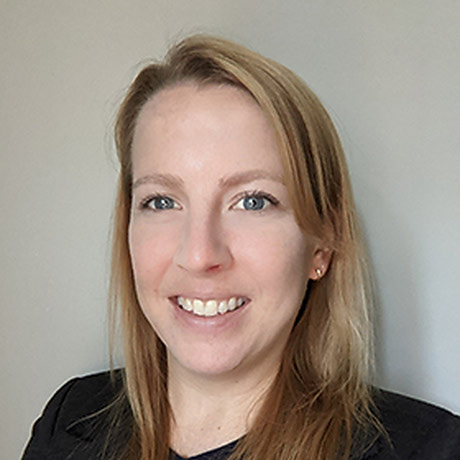 Amy Clara, PsyD for her proposal: “Development of Interdisciplinary Palliative Care Training Program for Clinical Providers of the Northern Navajo Medical Center (NNMC).” The NNMC of Shiprock, New Mexico is a remote Indian Health Service (IHS) site that offers a broad scope of inpatient and outpatient care. With this award, Dr. Clara aims to increase NNMC clinical provider access to palliative care educational and clinical resources to improve their knowledge, confidence, and sense of self-efficacy when caring for seriously ill patients. This program intends to create a hybrid educational program that includes an annual in-person didactic opportunity, patient- and family-facing tools for distribution, and a virtual learning environment that will allow training materials to be available to present and future providers rotating through the NNMC.
 Bushra Taha, MD for her proposal: “Seguridad Materna Primero: Mexico’s First Post-Graduate Training Program in Obstetric Anesthesiology.” The Division of Obstetric Anesthesiology at MGB and the Instituto Nacional de Perinatología (INPer)/Universidad Nacional Autónoma de México (UNAM) in Mexico City are creating the first structured High Specialty Course in Obstetric Anesthesiology, akin to international post-graduate fellowship programs. The High Specialty Course aims to address a critical educational and clinical gap in Mexico by: 1) Improving maternal safety and outcomes through specialized anesthetic care in high-risk obstetric cases; 2) Strengthening institutional capacity at INPer/UNAM through formalized training pathways and faculty development; 3) Facilitating bidirectional academic advancement though structured scholarly mentorship, research and quality improvement initiatives focused on maternal health; 4) Creating a replicable national model for subspecialty obstetric anesthesia education across Mexico and potentially Latin America.
Research
Monthly Global Health Research Admin Update Meeting Highlights
- NIH Update: As of this upcoming May-September proposal cycle, ALL grant applications, including HIV/AIDS proposals, should now be submitted using the standard (non-HIV/AIDS) submission deadlines (per NOT-OD-26-029). This applies even to RFA/NOFOs that still show separate HIV/AIDS deadlines– these HIV/AIDS deadlines should be disregarded.
- When budgeting for industry-supported research, Institutional Review Board (IRB) fees must be included:
- Local MGB Review Fees
- Initial Review Fee: $4,000
- Continuing Review Fee: $2,500/CR
- Amendment Fee: $1,000/amendment
- Changes Requested to Injury Section of Consent: $750/request
- Cede Review Fees
- New Cede Review Fee: $3,000
- Cede Annual Fee: $1,500/year
- Closure of Cede: $750
- Local Context Amendments: $1,000/amendment
- Changes Requested to Injury Section of Consent: $750/required
- Proposals for industry-supported research do not need to be submitted to Insight. Instead, contact your CTO Financial Analyst (for CGH, this is John Montana jmontana@mgb.org) by email to review your budget before submitting it to the sponsor.
- Local MGB Review Fees
- For community members working in Uganda, we welcome questions, comments, and clarification from community members working in Mbarara regarding roles of MGO vs. GHC Limited.
- Infrastructure support should be part of the sub budget to MUST (vs. subcontract to GHC Limited). Let us know if you budgeted under MGH — CGH will help you with work around.
- NDA:
- GHC Limited supports NDA facilitation (vs. MGO). Payments should be negotiated with GHC Limited.
- There have been issues with late submission of documentation as often items to be carried are identified last-minute. The NDA application and approval process is bureaucratic and time consuming. Annet has been able to engage her brother, who works for NDA, to assist, which is not a long-term solution.
- Visitors are generally not asked to produce the import nor donation letters upon arrival.
- A “verification letter” is needed, which seems to be issued after the fact.
REMINDER: you must complete the required research security training in HealthStream by May 25th to apply for and/or continue to serve as Senior/Key Personnel on active federal grants
Biostatistical Support
CGH works with a PhD level statistician, who can offer biostatistical support as needed. Please contact Jessica Haberer at jhaberer@mgb.org with details about your biostatistical needs.
Recent Publications
Here is a selection of our community’s recent publications. To share your published work in the next newsletter, please email cghadmin@mgh.harvard.edu.
- Olds, Peter K., Stephen Asiimwe, Annet Kembabazi, Andrew Ainomugisha, Jodi Ansel, Joseph Ngonzi, Grace Nambozi et al. “First Mile program: North-South partnership experience with health system strengthening in Mbarara, Uganda.” Global Health Action 19, no. 1 (2026): 2607907.
- Godfrey, Mugyenyi R., Fredrick Atwiine, Esther C. Atukunda, Leo Anthony Celi, Rogers Mwavu, Fred Kaggwa, Jessica E. Haberer, and William Wasswa. “Application of AI to Ultrasonographic Images to Aid the Clinical Care of Pregnant Women With Pre-eclampsia in Uganda: A Protocol for a Pilot Study.” Cureus 18, no. 1 (2026).
- Reid, Michael JA, and Ingrid T. Katz. “Redefining global health in the 21st century: Towards a more equitable global health agenda.” Global public health 20, no. 1 (2025): 2464060.
- Jones, Forrest K., Taufiqur R. Bhuiyan, Damien M. Slater, Ralph Ternier, Kian Robert Hutt Vater, Ashraful I. Khan, Fahima Chowdhury et al. “Expanding cholera serosurveillance to vaccinated populations.” Mbio 16, no. 11 (2025): e01898-25.
- Kempen, J. H., Chen, Y., Abashawl, A., Mohammed, A. A., Dodson, S., Alemayehu, W., et al. “Outcomes of Posterior Lamellar Tarsal Rotation vs Bilamellar Tarsal Rotation for Trachomatous Trichiasis.” PLoS Neglected Tropical Diseases 19, no. 7 (2025): e0013152.
Publication Highlight
“Lancet Commission on Skin Health: Aligning with WHO Priorities”
We are pleased to share Dr. Esther Freeman’s recent publication announcing the Lancet Commission on Skin Health, which aims to elevate skin diseases as a global public health priority and align efforts with the World Health Organization’s commitment to universal health coverage. Skin diseases affect an estimated 4.7–4.9 billion people worldwide and remain significantly under-recognized and under-resourced within global health systems.
The Commission brings together an international group of experts across dermatology, epidemiology, and implementation science to examine the preventable burden of skin disease, identify effective care delivery models, and define an essential package of skin health services. Through a focus on equity, workforce development, and improved access to diagnostics and treatment, the initiative aims to advance coordinated global strategies that ensure skin health is recognized as an integral component of population health.
Read more about the publication here.
Travel, Safety, and Security Updates
Travel Alert: Middle East > Part A: Travel Prohibition for Israel, Gaza, West Bank, and Lebanon
March 20, 2026 – IMPORTANT TRAVEL ALERT
Current as of March 2026: MGB continues to ban travel to Iraq, Iran, Syria, and Yemen.
Because of safety/security concerns and due to war-related exclusions within certain insurance policies covering MGB, MGB hereby informs all individuals, including employees, to cease, effective 11/1/2023, from being within, and/or traveling to, the following countries and jurisdictions for purposes of MGB business and/or employment: Israel, Gaza, the West Bank, and Lebanon.
A similar travel prohibition for Ukraine, Russia, Moldova, and Belarus also remains in effect.
Travel Alert: Middle East > Part B: Travel Guidance for Saudi Arabia, United Arab Emirates, Qatar, Bahrain, Oman and Kuwait
March 18, 2026 – IMPORTANT TRAVEL ALERT UPDATE
Summary: Middle East Travel: URGENT: ALL BUSINESS TRAVEL PROHIBITED UNTIL FURTHER NOTICE FOR THE FOLLOWING COUNTRIES: KUWAIT, SAUDI ARABIA, UNITED ARAB EMIRATES, QATAR, BAHRAIN, OMAN, JORDAN.
STANDING POLICY TRAVEL PROHIBITIONS ALREADY EXIST FOR YEMEN, IRAQ, IRAN, ISRAEL, LEBANON, PALESTINIAN TERRITORIES, SYRIA.
Summary: Military action and repeated air and missile strikes have struck Iran and reciprocal strikes are hitting all of the Arabian Peninsula countries.
Employees are being directed not to travel or transit the area including major hubs of Doha, Dubai, Abu Dhabi, etc. until further notice.
The risks and potential impacts are widespread and serious. Iranian retaliation had included targeting military sites throughout with missile and drone attacks, targeting Al Udeid, and other military sites, both land and maritime based.
US military sites are spread throughout Saudia Arabia, United Arab Emirates, Qatar, Bahrain, Oman, and Kuwait. Therefore, Iranian targeting has included and could continue to include sites in any of those countries. Corresponding effects include closed airspace, canceled flights, and other highly disruptive consequences including sheltering in place. Travelers could be stranded for up to many days depending on how intense and widespread the conflict is.
Please confer with MGB Risk and Insurance Services (Ryan Wildes) for updates (travelsafe@mgb.org; rwildes@mgb.org; 857-282-0951)
Please see the MGB TravelSafe Vitals page for further updates here.
U.S. mandates more foreign travelers to pay $15,000 visa bond deposits
Foreign travelers from seven additional countries are now required to pay up to $15,000 for a reimbursable bond when applying for a U.S. visitor visa.
As of Jan. 1, Bhutan, Botswana, the Central African Republic, Guinea, Guinea-Bissau, Namibia and Turkmenistan are required to pay the assurances as part of a State Department pilot program launched in August. Thirteen countries are now affected by the program, most of them in Africa.
The bond deposits — which the department has said are aimed at deterring visitors from staying in the United States longer than they are allowed for business or tourism — range between $5,000 and $15,000, and do not guarantee that a visa will be issued. The payment will be refunded if visitors depart the U.S. within the time specified on their visas, according to the policy.
Applicants whose visas are approved can only enter the U.S. from three designated airports: Boston Logan International Airport, New York’s John F. Kennedy International Airport and Washington Dulles International Airport, the State Department notice said. The program is not applicable to those on student visas. Learn more at this link.
Global Health Community Highlights
MGH Center for Global Health 2025 Year in Review
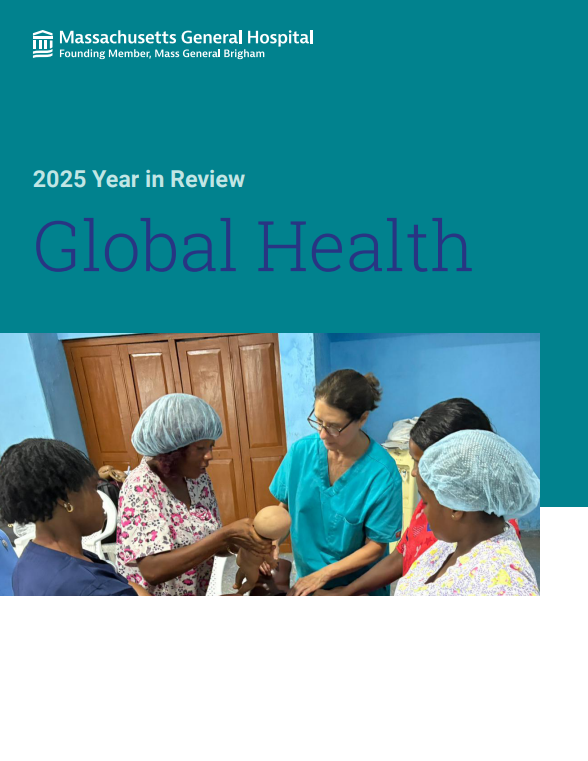
The MGH Center for Global Health is delighted to present the 2025 Global Health Annual Report, highlighting the accomplishments and ongoing, impactful work taking place across Mass General Brigham.
MGH Global Gastroenterology Newsletter
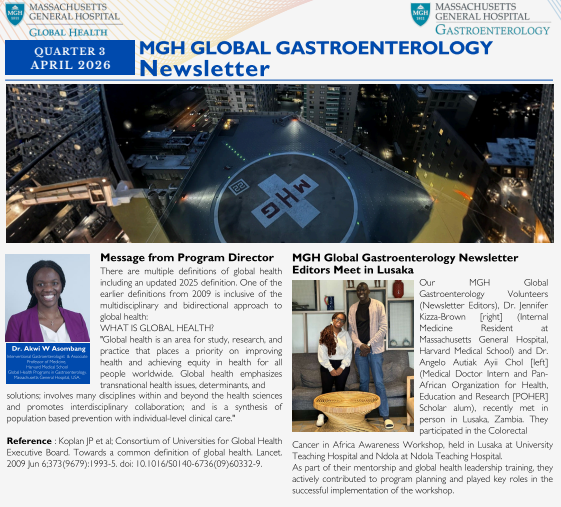
On behalf of Akwi Asombang, MD, MPH, MSc, we are excited to share the third issue of the MGH Global Gastroenterology Newsletter. Published quarterly, this newsletter highlights the impactful global gastroenterology work happening across MGH, including recent publications, presentations, and collaborations.
Check out the MGH Global Gastroenterology Newsletter at the link below.
Global Health Community Meeting
The Center for Global Health holds bimonthly Global Health Community Meetings on the 2nd and 4th Tuesday of the month at 9am ET. These hybrid meetings are aimed at keeping individuals informed of the work going on within our center’s programs as well as providing an opportunity to hear about global health work going on across Mass General.
If you would like to join these meetings, please reach out to cghadmin@mgh.harvard.edu.
Global Health Community Meeting Minutes – 3/10/2026
Opportunities to Engage
- Global Health Expo is hosted annually in May by the Center for Global Health. The Expo provides an opportunity to engage with the MGH and BWH communities and to learn about global and local health equity initiatives across MGB. For last year’s expo summary, view this document. If you would like to host a table at the next Expo, please email cghadmin@mgh.harvard.edu.
- The MGBGlobalEd Collaborative is a diverse network of educators across departments, centers, and institutes at MGB who are involved in global education, healthcare delivery, clinical mentorship, and innovation. The aims of the collaborative are to build a sense of community among global health educators and clinical innovators, to create a space where experts can learn from one another and share best practices, as well as to advance interdisciplinary education efforts in the pursuit of global health equity. Membership is based on self-identification and is currently open to MGH and BWH Faculty only. Learn more at this link.
- The Center for Global Health has developed a clinical academic partnership with the University of Global Health Equity (UGHE), a global university based in rural northern Rwanda, founded by Partners in Health. Amongst other programs, the university is training medical students as part of a MBBS program and is looking for visiting faculty on their clinical clerkships. Learn more at this link. If you are interest in teaching as Visiting Faculty, please email cghadmin@mgh.harvard.edu.
- Interested in joining the Global Health Faculty Associate and Affiliate Network? If you are an MGH-MGPO faculty or fellow in good standing and engaged in substantive global health activities as part of your career, we hope you will consider joining the network by becoming an Associate in Global Health. If you are external to MGH and are an active collaborator with CGH, we hope you will consider joining the Affiliate network. Learn more and apply at this link.
- We are building a Global Health Library in our office. Feel free to stop by, check out a book and please add books to the list here. Some suggested topics to get you thinking include: diversity, equity and inclusion, global health, leadership and decolonizing global health. We are excited to see your picks!
- For additional Mass General global health opportunities and ways to get involved, please visit our CGH webpage at this link.
Keep in Touch!
All past issues of the monthly Global Health Community newsletter are available on the Center for Global Health website at this link.
If you would like to include a news item, opportunity or other update in a future monthly newsletter, please email us at cghadmin@mgh.harvard.edu.


